Kyoto's Forgotten Foothills: Beyond the Golden Pavilion
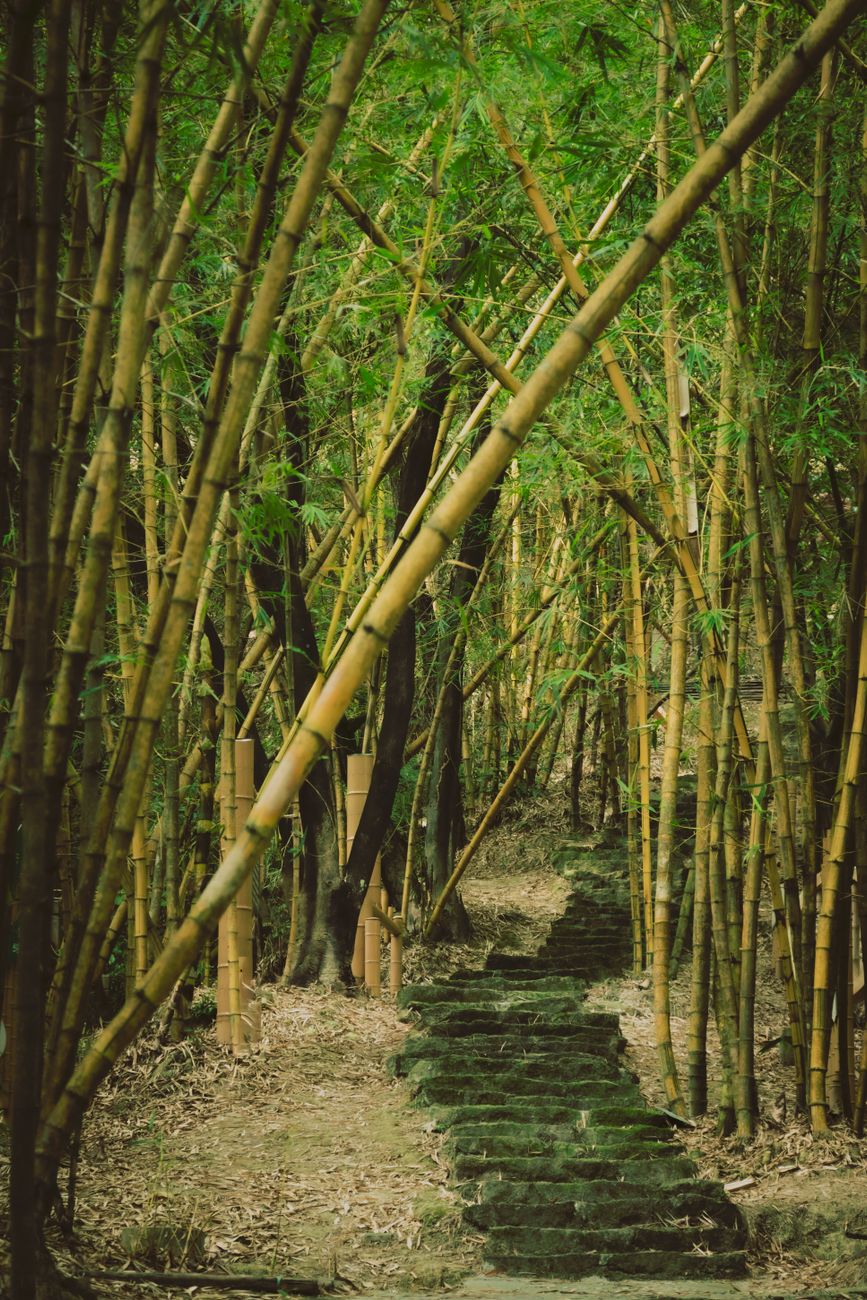
In the autumn mist of northern Kansai, the chatter of crowds recedes into the rhythmic drip of mountain runoff against stone basin lanterns.
Most visitors to Kyoto stay tightly confined within the Higashiyama corridor and the gilded pavilions of Kinkaku-ji. Yet taking the Eizan Electric Railway up to the northern hamlet of Kurama uncovers an entirely different tempo of Japanese life. Here, the valley tightens, the air cools by several degrees, and century-old cryptomeria trees rise in unbroken ranks toward mountain ridges.
The Path Across Mount Kurama
The mountain traverse connecting Kurama-dera to the riverside settlement of Kibune remains one of the most spiritually evocative short walks in the Kansai region. Marked by gnarly cedar tree roots interwoven along the rocky dirt trail, the path asks the walker to pay intense attention to each step. In late autumn, red momiji leaves carpet the mossy ground like embers.
At Kibune, narrow dining platforms known as kawadoko are dismantled as winter approaches, returning the river to its native, rushing voice. In the village, a third-generation soba master rolls buckwheat noodles by hand in a kitchen framed by wooden sliding screens.
Practical Field Advice
- Arrival: Board the Eizan Railway from Demachiyanagi Station to Kurama Station. The journey takes under 35 minutes.
- Timing: Arrive before 8:30 AM to walk the pass in complete solitude before day-hikers arrive.
- Footwear: Bring sturdy trail shoes; granite steps can turn slippery with morning mountain dew.
- Respect: Many smaller shrines on the pass are active places of monastic contemplation. Maintain silence and refrain from flash photography.
"To experience Kyoto in stillness is not about having special privilege; it simply requires stepping five stops past the end of the tourist brochure."
As dusk descends over the Kitayama valleys, woodsmoke curls into the lavender sky from ceramic chimneys. Sitting in a cedar-lined wooden tub fed by mountain springs, one realizes that the true genius of Kyoto does not reside in gilded architectural monuments, but in its profound harmony with the forest.